
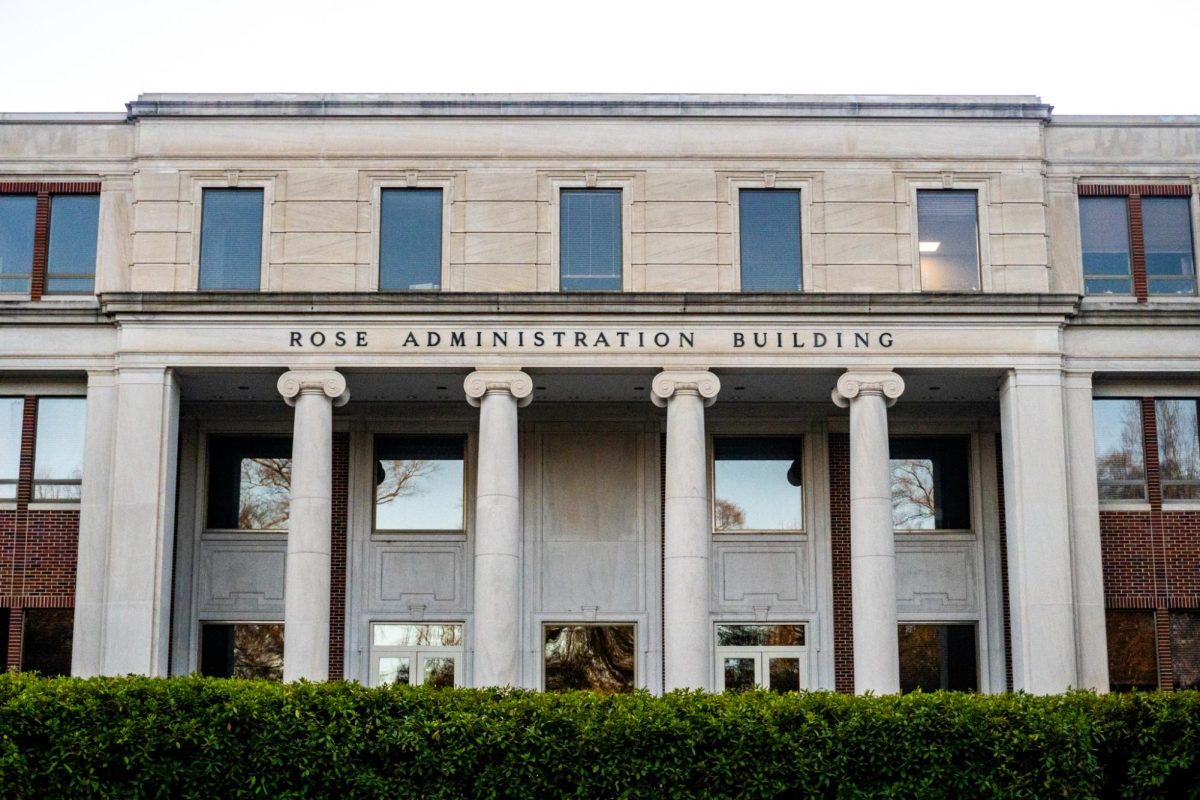
The University of Alabama announced in a June 25 press release that it plans to hire 49 professional advisors by the end of the 2028-2029 academic year, with the first wave of new advisors arriving this fall. The University will also implement a corresponding plan to reach “nationally recognized student-to-adviser ratio benchmarks” in each of its colleges.
In the press release, the University said that lowering caseloads, or the number of students per advisor, would benefit students by enabling “meaningful one-on-one mentorship and proactive outreach.”
Dr. Lesley Reid, University provost, said that the new initiative would help advisors to succeed by “providing the resources, manageable caseloads and institutional support.”
High caseloads are associated with worse outcomes, such as advisor burnout, and act as “barriers” to supporting students. The National Association of Academic Advisors found in 2011 that the median public doctoral university, like The University of Alabama, had an advisor caseload of 285.
In certain colleges at the University, advisors are even more outnumbered by students. The Culverhouse College of Business had 10,018 undergraduate students during the 2025-26 school year and a total of 18 advisors, two of whom specialized in Distance Learning. Including those advisors in the count, the ratio of advisors to students at Culverhouse is roughly one to 557.
Beyond lowering caseloads, the University also said it would be investigating new strategies and investing in enhanced training for advisors.
“The University’s commitment to expanding advising resources will create a more intentional and impactful academic experience for students,” SGA President Samantha Simmons said in the press release. “It is important that UA continues to connect students to the support and information needed to thrive in the classroom.”