
Since 2019, The University of Alabama has been recognized as an R1 institution by the Carnegie Commission on Higher Education, meaning it is considered to possess “very high research spending and doctorate production.” This accomplishment is no secret; the University plasters its R1 status on the front of its about page, even before listing the number of students. The University prides itself on its research contributions, yet the Trump administration seems intent on cutting the funding that university research relies on.
Since the Trump administration began its long series of budget cuts in 2025, over $3 billion in federal grants have been terminated, threatening the operations of research labs around the country. Students and faculty have already felt the effects. Professors and undergraduate student researchers alike are struggling to obtain funding, particularly when the topic is considered related to diversity, equity and inclusion.
A recently-released video of two Department of Government Efficiency employees being deposed as part of a lawsuit provides something of an answer on what DEI is according to the federal government. DOGE, the Trump administration’s cost-cutting initiative primarily responsible for determining which grants to end, was revealed to have used tools like ChatGPT to search for grants that “relate at all to DEI” before marking all those found for termination.
By using such unorthodox methods, several grants seemed to be caught in the crossfire. For example, when asked why a “grant for a documentary about Black civil rights,” was marked for termination, the DOGE employee answered that it was because it “focused on a singular race.”
It goes without saying that ChatGPT is a laughable way to conduct a systematic review of federal grants, but what isn’t funny is the horrific damage that these cuts are having on research in the United States. The federal government is funding fewer grants in almost every field of science and medicine, including life-saving biomedical and cancer research.
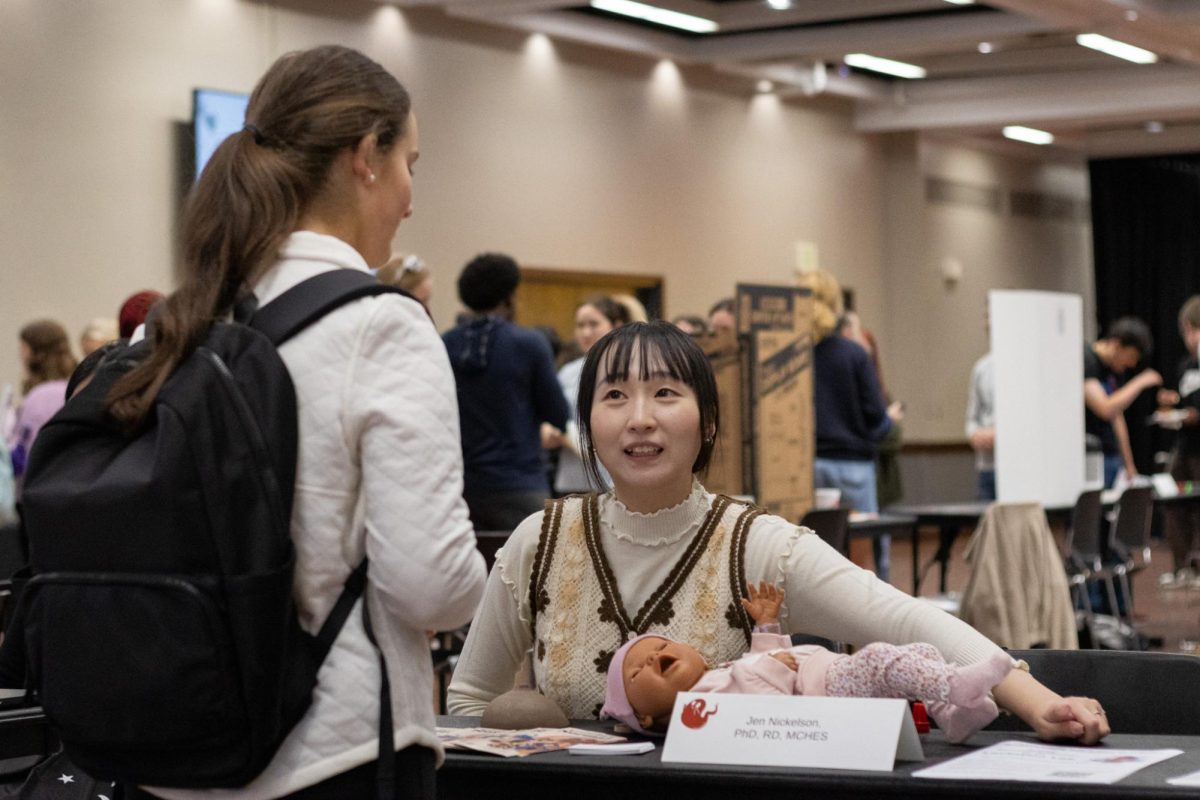
Research is more than just a staple of the University. It is a lifeline for many students seeking careers in research as well as graduate students seeking Ph.D.s or other advanced degrees. The Emerging Scholars Program, Education Policy Center, Randall Research Scholars Program and Shelby Scholars Program are just some of the research-oriented undergraduate opportunities on-campus. Each of them provides unique resume-building, community engagement and learning experiences that often rely on federal grants for funding their research projects. In the case of the Shelby Scholars Program, the Honors College says it is directly funded by federal appropriations.
This reliance on federal support during the Trump administration’s hostility towards research leaves students and faculty in a precarious situation. When interviewed by The Crimson White last November, Jeff Gray — the director of the Randall Research Scholars Program — relayed how his $3.5 million project offering College Board Advanced Placement exam prep for Black female high school students in rural Alabama had been cancelled. The program was instrumental in providing an “opportunity for a lot of young women who never saw themselves being in a tech field,” Gray said. “They’re probably never going to have that experience now.”
As a school that proudly markets its R1 status, the University cannot ignore the threat to its own status and the well-being of its students and faculty involved in research on campus. The loss of individual grants is harmful enough to specific projects, but more the pressing concern is the damage to the research pipeline. Undergraduate students face fewer opportunities, leading to more difficulties getting into grad school, while those graduate students in turn get fewer assistantships and funding. Faculty have to ration dwindling resources while research output suffers as a result. Over time, this hurts the University’s number of publications, programs and national reputation.
The University’s reputation in research excellence is well-earned. But that reputation is a continuous process, not a one-time award. If our school wants to continue to advertise itself as an R1 institution, it needs to take steps to protect itself from an administration intent on expanding its politically-motivated and concerningly consistent cuts. Otherwise, its R1 status risks becoming a relic.