
For many years, the South was seen as the laughingstock of American education. With lower test scores and funding, it should come as no surprise that many doubted that the gap between the South and the rest of the country would close anytime soon. Recent data, however, challenges this impression: A meteoric rise in student achievement, test scores and literacy — dubbed the “Mississippi Miracle” by some journalists — has stunned many in the education sphere.
This is especially remarkable, as it was achieved without significant improvements in state income or demographic changes; pure policy upgrades, such as targeted literacy reform, structured phonics instruction and strict retention policies — such as holding back third graders who do not pass a reading test — all made this possible.
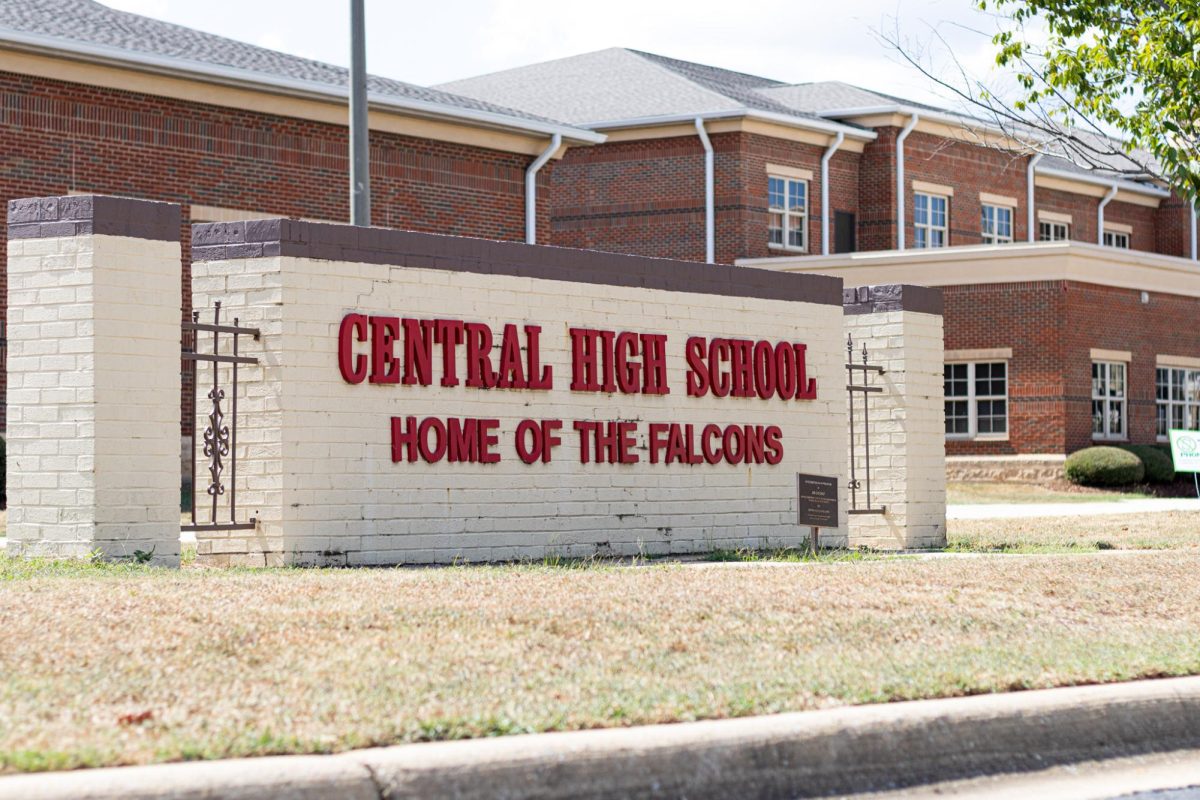
But, despite this improvement, many areas of the South, including many schools in Alabama, still struggle without the help they need. Indeed, the high school closest to the UA campus, Central High School, is just one example.
Only 4% of students at Central are considered proficient in math by the Alabama State Department of Education. Less than 12% are proficient in language arts. The average ACT score at Central High School in 2019 was 15.6, compared to The University of Alabama’s 26.9. For a school mere blocks away from the wealthiest college in Alabama to be in this condition is shameful. How can a flagship university like ours claim to focus on being the best without fully supporting the struggling schools in its own city?
The University of Alabama is uniquely situated to help schools like Central High, the Tuscaloosa community and the overall state of Alabama. Expanding UA partnerships with struggling K-12 schools in the area would bring in new prospective students, increase the quality of the local community, enhance university prestige and foster unique opportunities for UA students.
Universities, and especially The University of Alabama, often speak of service and community engagement. Yet these commitments frequently take the form of symbolic volunteerism days rather than sustained partnerships.
Last August, I participated in Honors Action, volunteering for a week to build fences at Central Elementary. Programs like these do foster engagement with students, but the benefits to student learning are minuscule at best. Fences don’t raise literacy rates, and week-long programs are no substitute for long-term cooperation.
Real cooperation would mean expanding student teacher partnerships in classrooms, aligning Alabama’s R1 research agendas with demonstrated local needs and measuring school outreach success not in service hours but literacy rates and math proficiency.
This system of cooperation has proved mutually beneficial for those in Vanderbilt University’s Scientists in the Classroom Partnership. This project fosters fellowships between graduate students and middle school classrooms, providing supplemental resources to classrooms and strengthening awareness and understanding of student learning and teaching.
Alabama already has the tools to make this work. The students and faculty of the Education Policy Center, through their research, have shown a tremendous commitment to education in Alabama, especially among struggling areas like the Black Belt.
But of what value is research alone when Central High is struggling mere blocks away?
The University’s volunteer and service culture is truly impressive, and I have experienced this culture first-hand. It’s about time that our R1 status and dedicated service community were harnessed to help local education in a way that truly matters. The question may not be whether Alabama is capable of doing better, but whether we are willing to.