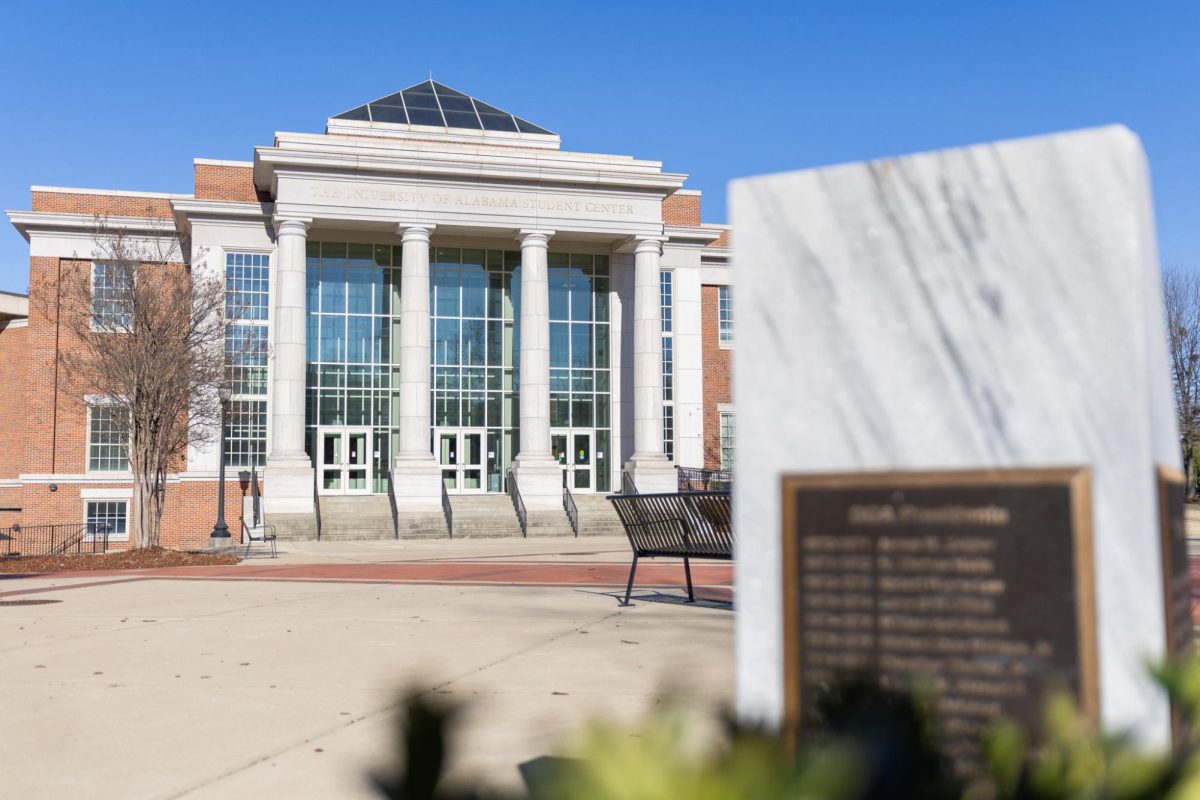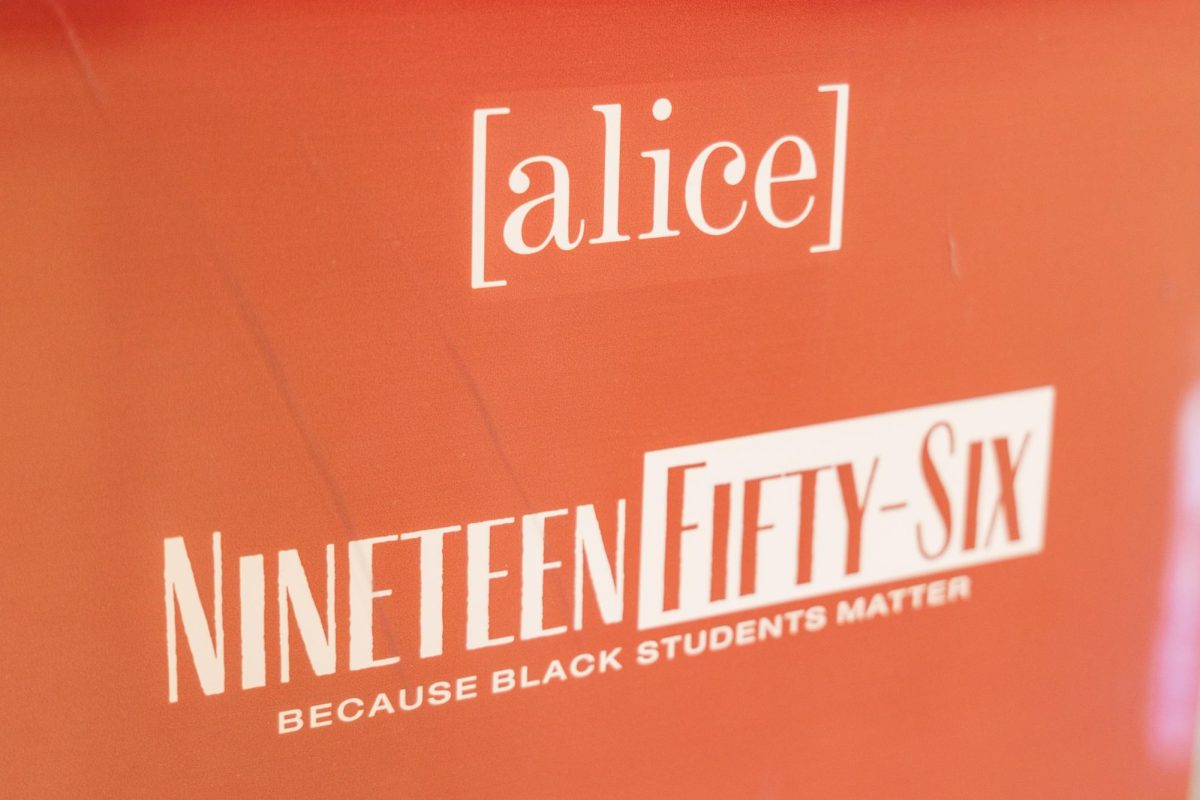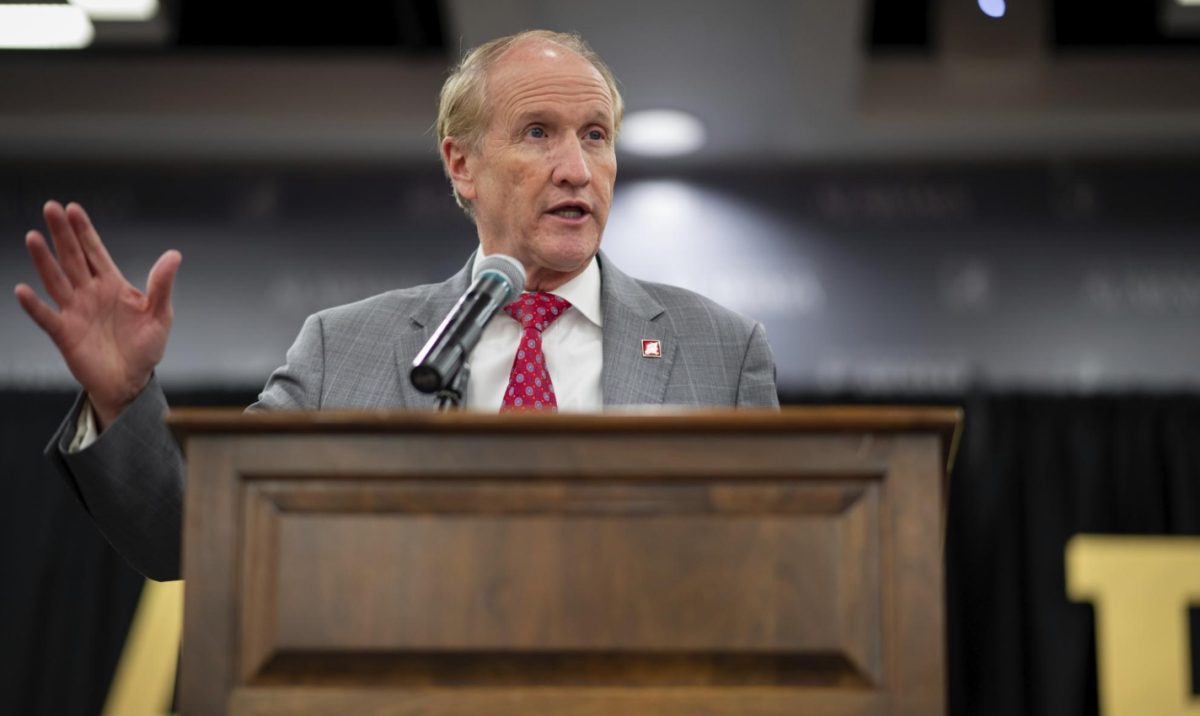


U.S. Reps. Terri Sewell and Shomari Figures of Alabama sent a letter to UA President Peter Mohler Dec. 15 calling for a meeting to discuss the reinstatement of Nineteen Fifty-Six and Alice Magazine after they were shut down by the University Dec. 1.
The members of Congress, both Democrats, said the University’s discontinuation of the student-run magazines is a decision with “profound implications” for free speech, academic freedom and the University’s stated commitment to fostering an inclusive campus environment.
“This decision undermines the significant progress made by the University over the last six decades towards fostering a welcoming and inclusive campus environment for all students,” they wrote.
The University suspended the magazines to comply with a July federal memo from U.S. attorney general Pam Bondi that provided “non-binding suggestions” to help federal funds recipients comply with anti-discrimination laws.
Vice President for Student Life Steven Hood told magazine staff in a Dec. 1 meeting that Alice and Nineteen Fifty-Six were considered “unlawful proxies” per Bondi’s memo for having the intended audiences of women and Black students, respectively. However, neither magazine limited who could work for or read their publications and both hired staff outside of their target audiences.
“Treating them as proxies for discrimination represents a dangerous slippery slope,” the members wrote. “If student expression can be deemed impermissible simply because it reflects the experiences of women, African American students, or other underrepresented groups, what comes next?”
The University said that it will fund a new student magazine for the 2026-2027 academic year and that staff hopes to work with students to ensure that the new magazine will feature “a variety of voices and perspectives.” However, Sewell and Figures wrote that this is “not an adequate solution.”
“While we appreciate efforts to promote unity by combining distinct voices into a single publication, this action dilutes and diminishes the culture, contributions, and personal experiences of women and Black students, over half of your campus student population,” they wrote.
Sewell said in a video posted to Instagram on Friday that she and Figures requested a meeting to discuss the University’s rationale and to seek to restore the student publications.
The University did not immediately respond to a request for comment asking whether Mohler will agree to the meeting.
This isn’t the first letter urging the University to reconsider its decision. Students delivered petitions calling for the reinstatement of the magazines to Mohler and Hood on Dec. 4.
Additionally, the Foundation for Individual Rights and Expression sent a letter to Mohler urging the immediate reversal of the magazine shutdowns, with the letter referring to the University’s decision as a “brazen attack on the student press.”
“If we who represent The University of Alabama in Congress and who fight every day to bring federal resources and grants to the University and to provide greater student opportunities don’t speak up for such injustices, who will?” Sewell said.