
We live in a world that prizes motion, constant and never ending motion. Every idle second is an opportunity for distraction: a notification, a scroll, a click, a binge. We have filled every crevice of our lives with noise and color, yet in that very fullness, we have lost touch with something quietly essential. Boredom has been cast as a villain, a thing to be escaped at all costs, but perhaps it is the very thing all of us need.
When we allow ourselves to be bored, when we let our minds drift in quiet spaces without expectation, something remarkable happens. Thoughts surface that would otherwise have been drowned in the river of constant stimulation. Imagination awakens, and ideas we did not know we had begin to take shape. Reflection, true, unhurried reflection, becomes possible. We begin to notice the small details of the world around us.
Our culture has made it increasingly difficult to sit with ourselves. Even silence is now considered a deficiency, something to be filled, fixed, or avoided. But in resisting this urge, we deny ourselves a chance to grow. The restless mind, perpetually entertained, can never know the richness of stillness.
Research backs up what intuition might already tell us: boredom is not always a void, it can be a powerful motivator for growth. In an experiment from PubMed, psychologists induced feelings for boredom in participants, then observed their behavior on a series of increasingly difficult mental tasks. Even without external rewards, boredom makes people more likely to seek out greater challenges, suggesting that boredom drives us to find meaning and stimulation in more demanding activities.
We must reclaim boredom as a friend rather than a foe. Let us embrace the long stretches of quiet, the afternoons that feel unclaimed and the hours that exist simply because they do. Let us resist the impulse to fill every second with noise and instead cultivate patience, in these moments of deliberate pause, we may find a deeper creativity, a sharper clarity, and a truer connection to the self that is often drowned out by our obsession with distraction.
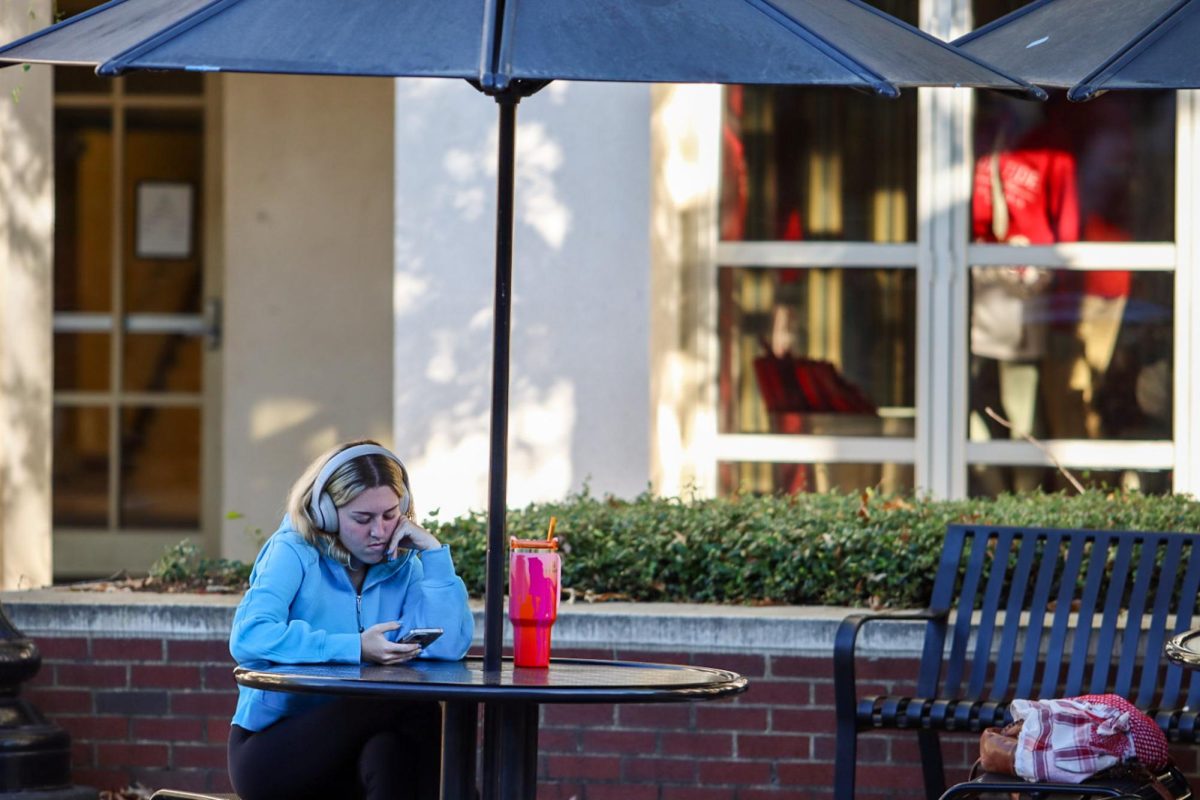
Learning to be bored again requires intention, almost like relearning a forgotten language. I’ve found that the simplest way is to start small: leave your phone in another room for as long as you feel comfortable and sit with nothing but your thoughts. Take a walk without headphones and let the world fill the silence for you. Let yourself daydream without guilt. Resist the urge to fix every idle moment with stimulation. Boredom isn’t something you chase, it’s something you allow.
To be bored is to be human, fully human. In boredom, there is room for thought, for wonder, for imagination. In boredom, there is life, not the kind of life measured in likes, views or constant activity, but a life that feels rich, thoughtful and unhurried.