
Hispanic Heritage month began Sept. 15. Cities and schools around the United States celebrated with various cultural events and get-togethers, and The University of Alabama was no different. Although Hispanic and Latino students only account for 7.5% of the University’s total student population, efforts by the UA Hispanic Latino Association helped create an atmosphere of cultural inclusion and acceptance for students of all demographics.
The University does a great job at fostering a unique school culture that makes all of its students feel welcome; unfortunately, it sometimes falls short in addressing the loss that students from different backgrounds face when coming here. This loss is often exacerbated by celebrations such as Hispanic Heritage Month, where many students are used to grand celebrations of culture and identity being in a surplus.
As a Latino student here, I find myself homesick. Not only because I’m so far from home, but because my culture isn’t as readily available to me. Back home, we have a great population of Hispanic and Latino people in the community with authentic restaurants and various cultural events year-round that I haven’t been able to find here. This is when organizations such as HLA step in.
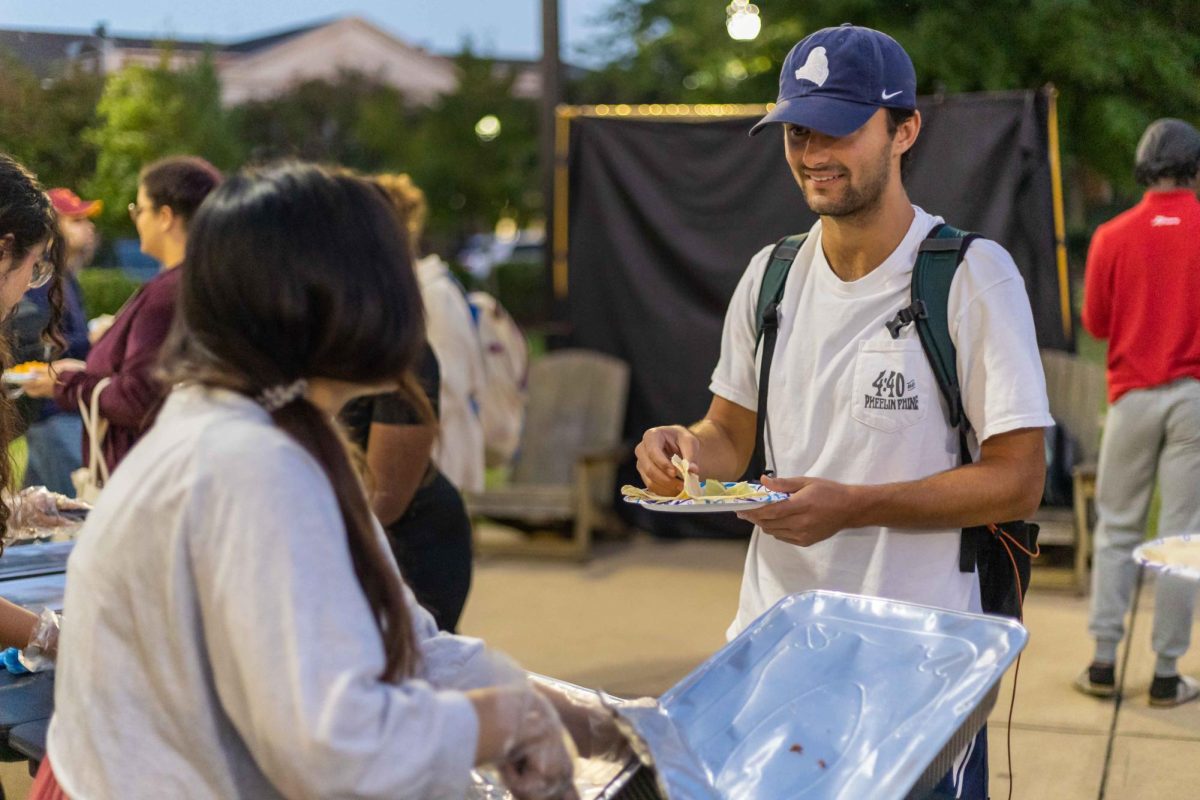
To welcome in this month, HLA organized for two days in both Lakeside Dining and Fresh Food Company to have allotted times where they served students culturally Hispanic/Latino foods. Among the dishes served were empanadas, pupusas, mofongo and arroz y frijoles, some of which even I had never had before.
When walking into Fresh Food Company, I was met not only with an HLA information table and the scent of good food, but the sound of home. Cultural foods weren’t the only surprise organized, but also a playlist composed of Latin hits of all genres.
Ironically, the educational atmosphere of the dining hall was riding high. Students were unknowingly — and literally — digesting information from cultures they may not have known previously about, regardless of whether or not they chose to stop at the information table.
This day was probably one of the ones I saw the most Hispanic and Latino students gathered together, and there is something truly revolutionary in that. As a minority student at a predominantly white institution, it is easy to forget that there are people with your same background enrolled, especially if you’re not seeing them every day.
Events as simple as themed days in dining halls are crucial to cultivating a new era of acceptance and diversity. Days like these make our minority population feel more accepted and celebrated while introducing students to a rich and lively, if possibly unfamiliar, culture.
Events like these are a prime example of how cultural groups help to foster cultural literacy within a population. This skill is crucial to the growing minds of our university because by being able to understand certain cultures and their traditions, you are taking the first step in helping to create a less prejudiced society.
So, while eating cultural foods during Hispanic Heritage Month may not seem like a big deal to some, it is truly a milestone in the creation of a more inclusive and accepting culture at the University.