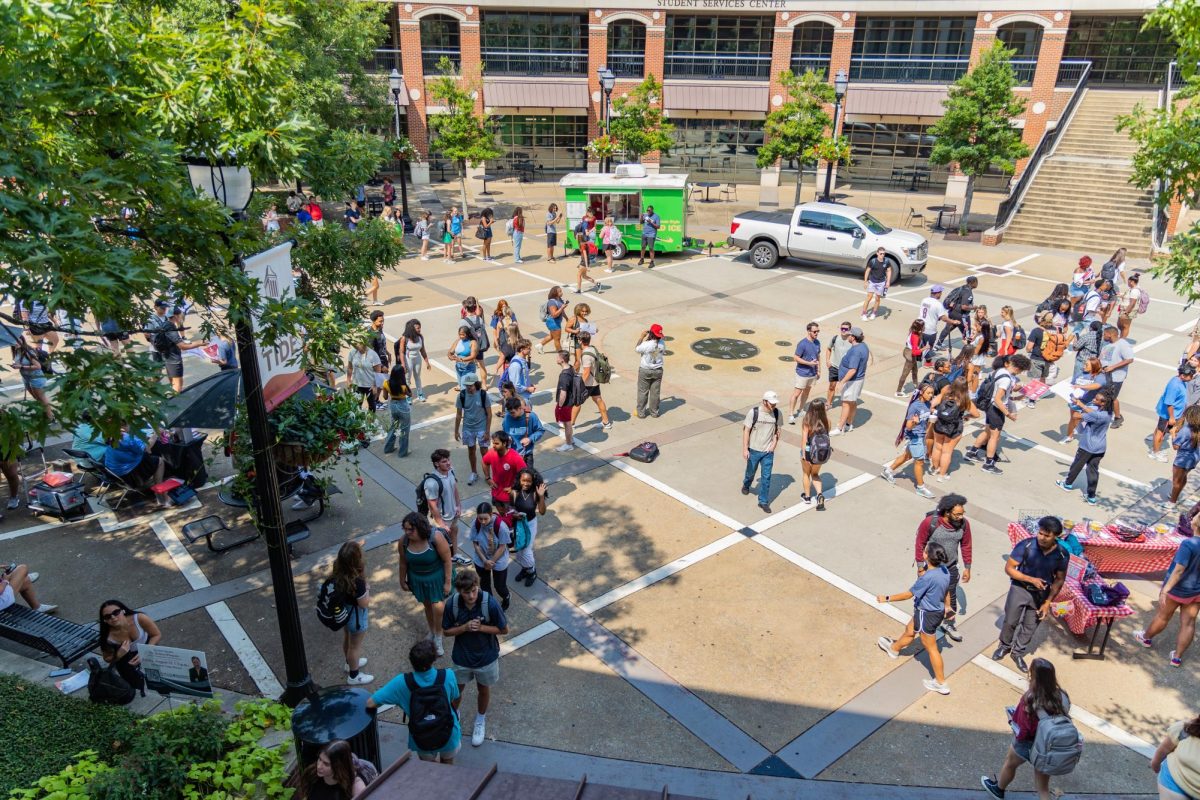


As the summer months come to a close, I am met with conflicting emotions about beginning my senior year. On one hand, the idea of concluding my academic journey at The University of Alabama and stepping into the next phase of my life is thrilling. On the other, I feel an overwhelming sense of uncertainty that often accompanies the end of any storyline.
In preparing for my final year of undergraduate studies, I have found comfort and clarity in the advice of recent graduates. Their insights have offered me guidance during this transitional time, and I hope their words of wisdom provide others with the same sense of reassurance they have given me.
A consistent piece of advice I have received is to remain focused and avoid allowing the added stressors of senior year to detract from academic priorities. With responsibilities such as graduate school applications, job searches and relocation looming, many have shared that they unintentionally let their coursework fall to the backburner. This often only intensifies the cycle of stress and academic burnout.
Regardless of one’s major, the sustained mental effort required over four years of college-level coursework is inherently taxing. This leads into another frequently shared — albeit sometimes cliché — piece of advice: to find balance.
While classes and academic pursuits are especially pertinent during senior year, it is just as important to enjoy the last year of your undergraduate career. There may never again be a time where you can watch every home game from the student section, walk to your closest friends’ apartments, or enjoy a 2:00 a.m. Quick Grill run on a weeknight. These small moments are part of what makes college memorable.
Another valuable insight I’ve received is to remain open-minded, both on campus and when considering post-graduation opportunities. Even in the final year, there is still time to explore new interests or experiences. A random elective course, taken only to fulfill a graduation requirement, may unexpectedly spark a new hobby or even a career path.
Often, students become attached to rigid plans for their future. While having direction is important, it can sometimes cause us to overlook opportunities that do not perfectly align with our expectations. Staying open to new paths does not mean abandoning one’s goals, but rather being flexible enough to adapt and grow when presented with unexpected possibilities.
Though I still face uncertainties about the year ahead, leaning on the guidance of those who have recently graduated has reassured me that things will fall into place. I may not know exactly what the next year — or the one after — will look like, but I do know that these feelings of doubt and hope are a natural part of transition. And I am not alone in navigating them.